Inhibitor system
Specify inhibitor chemistry and concentration. Request the manufacturer’s handling and storage guidance for that inhibited grade.
Methyl methacrylate is a monomer used as a building block for acrylic materials, resins, and coating applications.
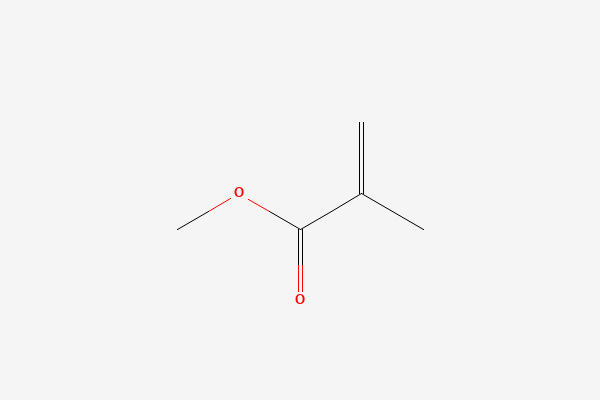
Methyl methacrylate (MMA) is the methyl ester of methacrylic acid. It is a reactive monomer used in acrylic materials and resin and coating applications. For enterprise qualification, the inhibitor system is a key part of the material specification, alongside purity, water, acidity, and color.
Substance reference values, separate from the supplied-grade specification. Conditions and source are shown so your technical team can interpret the data.
| Property | Reference value | Conditions / source |
|---|---|---|
| Appearance | Colorless liquid | NIOSH describes an acrid, fruity odor. [2] |
| Boiling point | 214 °F (approximately 101 °C) | NIOSH reference value. [2] |
| Freezing point | −54 °F (approximately −48 °C) | NIOSH reference value. [2] |
| Specific gravity | 0.94 | NIOSH reference; not a supplier acceptance range. [2] |
| Flash point | 50 °F (10 °C), open cup | Method matters: consult the current SDS for the supplied grade. [2] |
| Water solubility | 1.5% | As reported by NIOSH; conditions are not specified in that entry. [2] |
These values come from Chemstock’s existing catalogue. They are not current batch results. Confirm the inhibitor level and analytical conditions in the agreed specification; do not infer a test method where the original record provides none.
| Parameter | Published limit / value | Method / conditions |
|---|---|---|
| Assay | 99.8% min. | Confirm analytical method |
| Water content | 0.1% max. | Confirm test method |
| Color, APHA | 10 max. | Confirm test method |
| Inhibitor, MEHQ | 8–15 ppm | Confirm inhibitor system and method |
| Methacrylic acid | 0.005% max. | Confirm acidity determination |
| Specific gravity | 0.942–0.946 | Reference temperature not specified in legacy record |
| Refractive index | 1.4110 | Temperature and wavelength not specified in legacy record |
Request the grade-specific technical sheet, analytical methods, and a representative CoA. Batch results belong on the shipment’s certificate of analysis.
Request a technical packageSpecify inhibitor chemistry and concentration. Request the manufacturer’s handling and storage guidance for that inhibited grade.
Agree methods and conditions for assay, water, acidity, color, specific gravity, and refractive index before comparing sources.
Review the supplier SDS, packaging compatibility, storage limits, and dispatch timing with your EHS and logistics teams.
Monomer building block for acrylic polymer chemistry.
Used as a monomer or comonomer in resin and coating applications.
Application-specific suitability depends on the supplied grade and supporting documentation.
Product documents are available on request. Tell us the required grade and destination so we can identify the right documentation for your review.
Current safety, handling, transport, and disposal information for the grade and destination.
Include: Required grade, destination country, and preferred language.Request SDSCurrent acceptance limits, physical properties, and the relevant analytical methods.
Include: Your internal specification and required test methods.Request TDS / specificationBatch-specific results for a supplied lot, or a representative CoA for qualification.
Include: Lot / batch number for an existing shipment; otherwise request a representative CoA.Request CoASource-specific certification and supporting information for your qualification process.
Include: Required certification, manufacturing site scope, and validity requirements.Request Supplier documentationCertificates apply to a named source, site, grade, or batch. Request the scope and current revision needed for your approval process.
Discuss the source, commercial requirements, and delivery schedule before placing an order.
Share your qualification questionnaire, incoming specification, required documentation, and change-notification expectations with our team.
Discuss supplier qualificationThis overview supports initial review and does not replace a current SDS, site risk assessment, or grade-specific handling instructions.
NIOSH identifies MMA as flammable and notes that heat, oxidizers, or ultraviolet light may trigger polymerization. Use the current supplier SDS and grade-specific guidance. Reference [2]
Confirm inhibitor requirements, recommended storage conditions, monitoring, and shelf life with the manufacturer. A generic chemical profile is not a storage-system design.
NIOSH lists DOT ID 1247 for inhibited material. The shipping name, hazard class, and packing group must be verified against the current SDS and shipment documentation. Reference [2]
Applicable requirements depend on the source, destination, and end use. Use this list to identify the statements and evidence your team needs; it is not a claim of certification or regulatory approval.
The inhibitor system is part of the supplied monomer grade and its handling requirements. Include the required chemistry and concentration in your specification, and obtain manufacturer guidance before qualification.
No. Methyl methacrylate is the methyl ester of methacrylic acid. Use CAS 80-62-6 to identify MMA; acidity reported as methacrylic acid is a separate specification parameter.
Suitability must be established for the exact grade and intended use. Request the necessary application-specific documentation rather than relying on a general list of chemical applications.
Reference data checked September 22, 2026. Public references describe the substance; only the current supplier documents establish the specification, certifications, and shipment details for the material you purchase.
Chemical identity, molecular weight, and structure.
Reference physical properties, hazards, and inhibited-material DOT identifier.
EC identifier only. Archived dossier is not evidence of current supplier REACH coverage.
Existing typical specifications and applications.